
Flutter App Development Cost in 2026: What You'll Actually Pay
Flutter apps cost 25 to 45 percent less than two native apps. See what drives the price, our full price list, and when Flutter is the right choice.
Sania·2026-06-02·5 min read
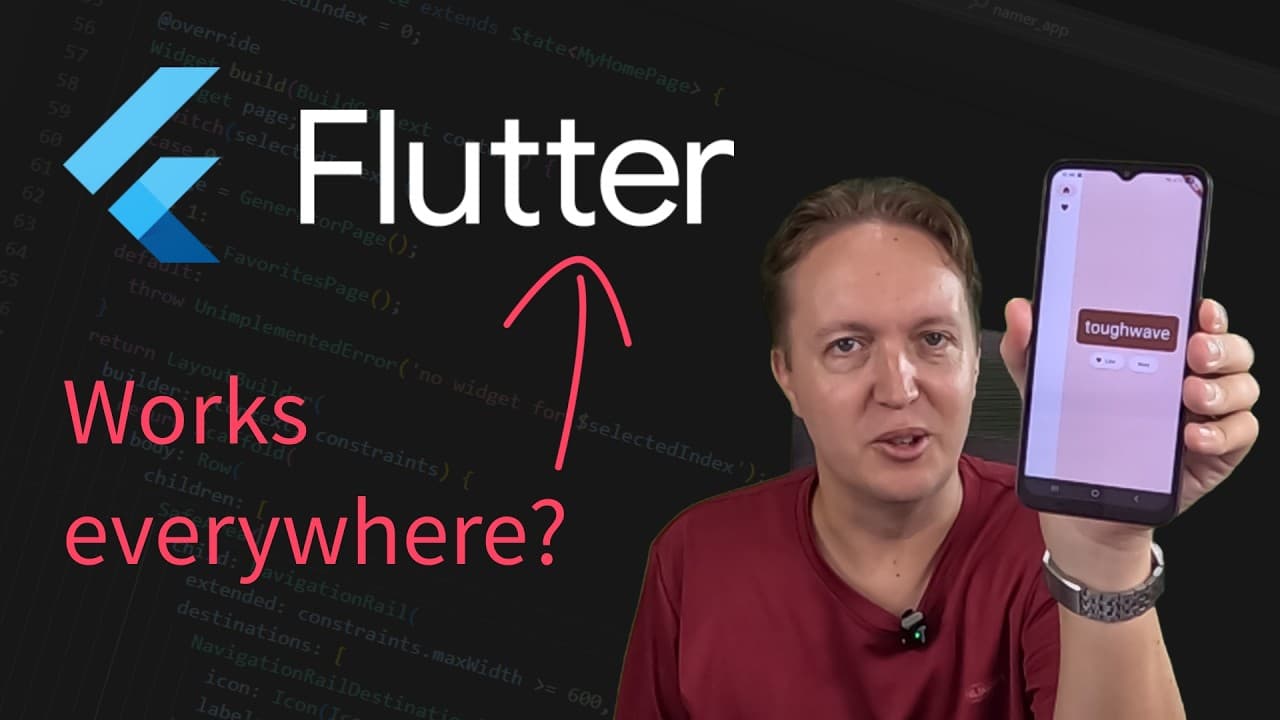
Flutter apps typically cost 25 to 45 percent less than two separate native apps. That saving is real. For most business apps it doesn't come with a quality trade-off. At Viral Web Solutions, a simple Flutter app starts at $7,000. A complex build can reach $400,000. Where your project lands depends on the scope.
We've delivered over 1,000 projects across nine years. This guide covers what Flutter actually costs in 2026, when it's the right choice, and what pushes the price up or down.
Flutter or native: which one fits your app
Flutter builds one codebase that runs on both iOS and Android. Native builds two: one in Swift or Objective-C for iOS, one in Kotlin or Java for Android. Two codebases mean two teams and two testing cycles.
For most business apps, that doubling isn't necessary. Booking tools, marketplaces, internal tools, customer portals, and e-commerce apps all run well on Flutter. Users on iPhone and Android get the same experience. Most can't tell the difference.
Native still makes sense in some cases. If your app needs advanced camera processing, augmented reality, or intensive background tasks tied directly to the OS, native wins there. But most briefs don't need any of that. For most of them, Flutter's the practical and cheaper choice.
What drives the cost
Two apps with the same screen count can differ in price by five times. These are the things that move the number most.
Features and logic. Every feature adds to the build. User accounts, real-time chat, offline mode, and push notifications each have their own design and QA cycle.
Backend and integrations. An app that stores user data needs a server, a database, and an admin panel. Connecting to a CRM, payment gateway, or ERP adds more time on top.
Design complexity. It's a big gap. A clean interface built on Flutter's standard components costs far less than custom animations and branded illustrations on every screen.
Team and location. US and UK agencies charge $100 to $250 per hour. UAE agencies charge $40 to $163. Our pricing sits below the top US and UK tier for every project size.
What we charge
| App size | What it usually includes | Viral Web Solutions price |
|---|---|---|
| Simple app | A few screens, no user accounts, minimal backend | $7,000 to $32,000 |
| MVP | Login, database, one or two core features, admin panel | $9,000 to $60,000 |
| Mid-size app | Payments, push notifications, third-party integrations, user roles | $16,000 to $120,000 |
| Complex app | Marketplaces, real-time features, heavy backend, enterprise security | $57,000 to $400,000 |
Every project includes a written scope, design before development, QA on real devices, and a handover your team can work with after launch. If you want to see where your idea fits, talk to our mobile team and we'll scope it with you.
Flutter vs two native apps: the cost difference
Building for iOS and Android separately using native tools costs roughly 40 to 80 percent more than a single Flutter build. The range is wide because it depends on complexity and the team behind the work.
Most 2026 estimates put the saving at 25 to 45 percent compared to building two native apps. For a mid-size project, that's a $30,000 to $60,000 difference.
You write and test one codebase instead of two. When a fix ships, both platforms get it. That's why ongoing maintenance is cheaper too.
AI features
AI is one of the most common requests on new mobile projects right now. Most apps connect to an existing AI service through an API rather than training their own model. Common uses include chatbots, smart search, content recommendations, and document reading.
Adding a feature like this usually costs $3,000 to $8,000 at our rates. Budget for the monthly API costs too, which grow with usage.
What to plan for after launch
Launch is the start of an app's costs. Not the end.
Set aside 15 to 20 percent of the build cost each year for maintenance. Flutter and its dependencies update regularly. Add Apple's $99 yearly developer fee and Android's one-time $25 fee. Monthly hosting and analytics costs go on top.
Keep part of the original budget for a second release. The first version teaches you what users actually want. The second is usually the one that converts.
Keeping the cost down
Start with an MVP. Build the core feature that proves the idea, launch it, and let real users tell you what to build next. Write a one-page scope before you ask for quotes. You'll get comparable numbers that way. Use Flutter unless you've got a specific reason not to. Use proven services for payments and logins rather than building your own. Don't overbuild the first version.
For the full breakdown of app costs across markets, see our app development cost guide. If you're deciding which company to hire, read our guide on how to choose a mobile app development company.
FAQs
How much does a Flutter app cost in 2026?
A simple Flutter app starts at $7,000 at our rates. An MVP typically costs $9,000 to $60,000. A mid-size app runs $16,000 to $120,000. Complex builds reach $57,000 to $400,000. Where your project lands depends on the feature list, the backend complexity, how many third-party integrations you need, and where the team building it is based.
Is Flutter cheaper than native app development?
Yes, in most cases. Flutter builds one codebase for both iOS and Android. That's roughly 25 to 45 percent cheaper than two separate native apps, because you're not paying for duplicate development work on each platform.
When should I choose native over Flutter?
Native makes sense when the app needs deep platform-specific hardware access: advanced camera processing, AR, or heavy background tasks tied to OS-level APIs. For most business apps, Flutter performs just as well at a lower cost.
Does Flutter work for both iOS and Android?
Yes. A single Flutter build runs on both. Users on either platform get the same design, features, and performance.
Written by
Sania
Practical guides on web development, apps and digital marketing from the Viral Web Solutions team. More from Sania
Keep reading
Insights
How to Choose a Mobile App Development Company in 2026
A practical checklist for choosing a mobile app development company: portfolio, process, who builds the app, what the quote includes, and red flags to avoid.
2026-10-04 · Sania
Mobile App Development
Top Flutter App Development Challenges and How to Solve Them
2026-07-21 · Sania

Mobile App Development
Top Mobile App Development Glitches in the USA and How to Fix Them in 2026
Discover the top mobile app development glitches in the USA for 2026 and learn practical solutions to improve app security, performance, and user experience.
2026-07-14 · Sania