Choosing a mobile app development company is harder than it looks. Directories list thousands of firms. Clutch, GoodFirms, and LinkedIn all surface different names. Most have strong portfolios and five-star reviews.
The right question isn't who ranks highest. It's who can build what you specifically need, on time and within a budget that makes sense. This checklist covers the things that actually matter: the work they've done, how they run a project, who does the building, what a quote should include, what budgets look like in the US, and the signals that tell you to keep looking.
Check the portfolio before anything else
Ask for three or four recent projects similar to what you need.
If you're building a marketplace, look for marketplace work. If you need a healthcare app with HIPAA compliance, look for that. A beautiful consumer app from five years ago tells you nothing about whether this team can build a B2B tool with complex integrations today.
Look at the actual app if you can. Download it if it's available. Check how it runs on your phone. If a company can't show you something close to your brief, ask why.
Ask who actually builds the app
Some agencies win work and then outsource the development. Others run mixed teams where senior developers do the architecture and junior contractors do the build.
Neither of those is necessarily bad. But you need to know before you sign anything.
Ask directly: Is your team in-house? Where are the developers based? Who'll be assigned to my project? Can I speak with the project lead before we start?
An agency that gives vague answers to these questions is one to approach carefully.
Understand the development process
A good development process should be clear before the project starts.
At minimum, a solid company should walk you through how they move from brief to scope, when design is done before development starts, how you review and approve work, how changes to scope are handled, what testing looks like, and what the handover includes.
If the answer to any of these is "we'll figure it out as we go," you're likely looking at delays and budget overruns.
The first version of most apps isn't the final version. Ask how the company handles later phases. A good team thinks past launch day.
Know what the quote must include
A mobile app quote that looks cheap often leaves out things that cost money later.
Before you compare quotes, check whether each one includes:
- Discovery and scoping
- UI/UX design (wireframes and full designs)
- Development for iOS and Android (or one, depending on your plan)
- QA testing on real devices
- App Store and Google Play submission
- A defined post-launch support period
If a quote only covers "development hours," find out what that excludes. The total cost of a project matters, not the hourly rate.
Realistic US budgets for mobile app development
Agency rates in the US run from around $100 to $250 per hour for established firms. A simple app with a small backend can still reach $15,000 to $40,000, and an MVP $30,000 to $75,000. A mid-size app with payments, user accounts, and integrations typically runs $75,000 to $150,000. Complex apps, platforms, and marketplaces start at $150,000 and go up from there.
We build at the same quality standard but below top US rates. Our simple apps start at $7,000 and our complex builds reach up to $400,000. For a full breakdown of what app sizes cost in 2026, see our app development cost guide.
If a quote is well below these ranges, ask what's been left out or where the offshore team is based.
Flutter or native: ask the agency to explain
The team you hire may recommend native iOS and Android, Flutter, or React Native. All of them can work. The recommendation should match your app.
Flutter builds iOS and Android from one codebase. That cuts cost by roughly 25 to 45 percent compared to two native apps. For most business apps, booking tools, internal tools, and customer-facing platforms, Flutter performs well and users can't tell the difference.
Native makes sense when the app needs heavy device-specific features: advanced camera work, AR, or OS-level processing. If that's not in your brief, one codebase is the practical and cheaper path.
For a closer look at Flutter specifically, read our Flutter app development cost guide.
Red flags
A quote delivered before any scoping conversation. Any firm that gives a fixed price before understanding what you want to build is guessing.
A fixed price with no change process. Apps change during development. Ask how scope changes are handled and what a change order costs. If the answer is unclear, budget overruns are likely.
No post-launch plan. A mobile app needs maintenance from day one. iOS updates every year and third-party APIs change regularly. If the company doesn't have a maintenance offer, ask who handles that.
Unclear ownership. Find out who owns the code, the designs, and the App Store accounts once the project ends. They should be yours.
Talk to their past clients
References matter. Ask for two or three client contacts from projects similar to yours. A quick conversation can tell you things a portfolio and a pitch deck can't: how the team communicated, how they handled problems, whether the project came in on scope and budget.
Any good agency will agree to this.
Talk to our mobile app team to scope your project and see where it fits on the budget table.
FAQs
What should I look for in a mobile app development company?
Check their portfolio for work similar to yours. Understand their development process end to end. Confirm who actually builds the app. Make sure the quote includes design, QA, testing, and post-launch support. Then ask for client references.
How much does mobile app development cost in the USA?
At established US agencies, a simple app runs $15,000 to $40,000 and an MVP $30,000 to $75,000. Mid-size apps cost $75,000 to $150,000. Complex builds start at $150,000 and can reach $500,000 or more. We build to the same standard at lower rates: simple apps from $7,000, complex builds up to $400,000.
Should I choose Flutter or native development?
Flutter's right for most business apps. It builds iOS and Android from one codebase, cutting cost by roughly 25 to 45 percent. Native makes sense when the app needs deep platform-specific hardware access. Ask the agency to explain their recommendation based on your actual requirements.
What are red flags when hiring a mobile app developer?
No scoping phase before a fixed quote, vague answers about who does the building, no post-launch maintenance plan, and unclear code ownership are all clear warnings.
Written by
Sania
Practical guides on web development, apps and digital marketing from the Viral Web Solutions team. More from Sania
Keep reading
Mobile App Development
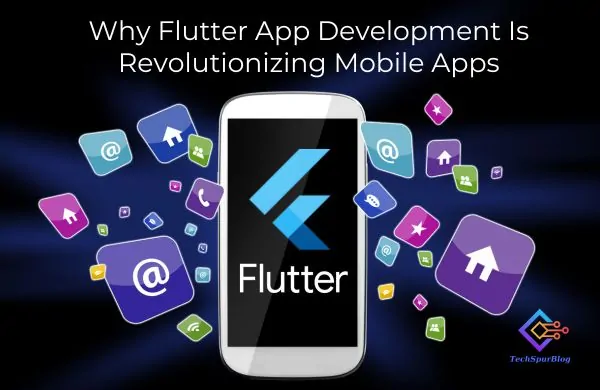
Top Flutter App Development Challenges and How to Solve Them
2026-07-21 · Sania

Mobile App Development
Top Mobile App Development Glitches in the USA and How to Fix Them in 2026
Discover the top mobile app development glitches in the USA for 2026 and learn practical solutions to improve app security, performance, and user experience.
2026-07-14 · Sania
Mobile App Development
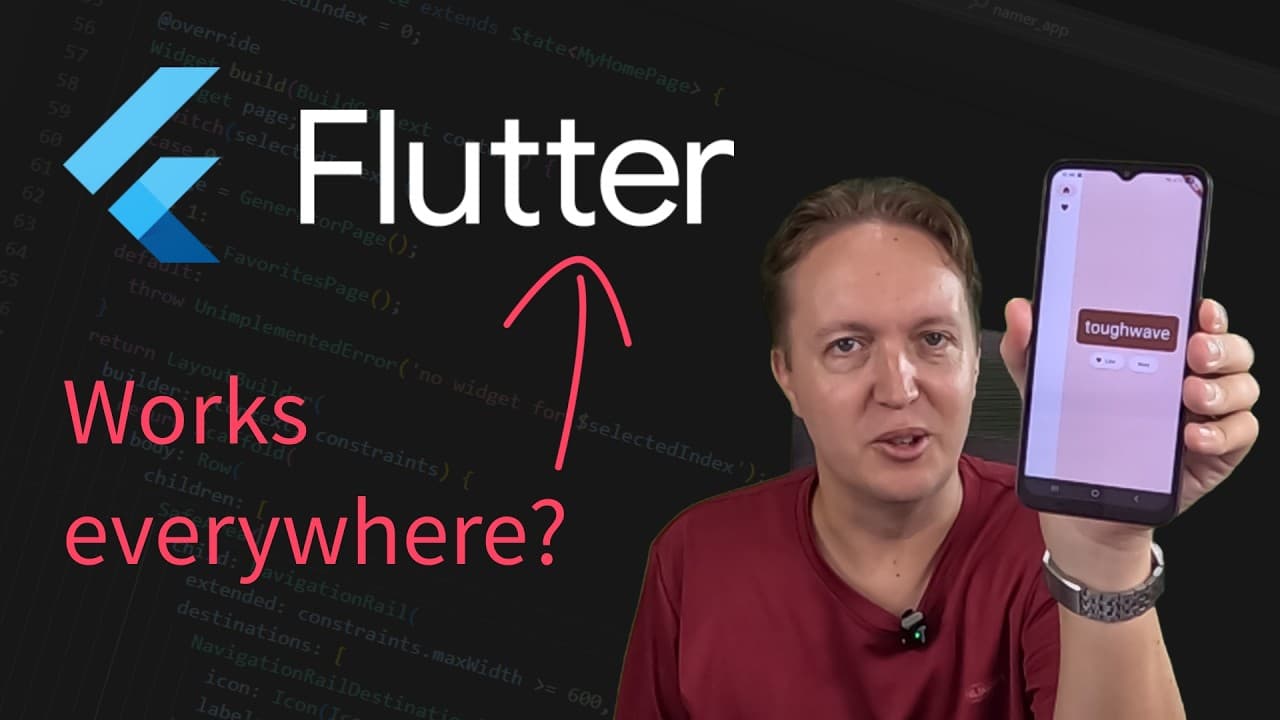
Flutter App Development Cost in 2026: What You'll Actually Pay
Flutter apps cost 25 to 45 percent less than two native apps. See what drives the price, our full price list, and when Flutter is the right choice.
2026-06-02 · Sania